Kratom market in Thailand – an up-to-date breakdown of its legal status, economic landscape, and regulatory environment as of mid-2025
Legal & Regulatory Status
- Decriminalization in 2021: On August 24, 2021, Thailand officially removed kratom from its list of controlled narcotics, making cultivation, possession, sale, and use of kratom legal.
- Kratom Plant Act (2022): Took effect August 27/28, 2022 (published December 2022), this law provides the legal framework for trade, sale, consumption, research, and advertising of kratom.
- Licensing and Trade Rules:
- Importers/exporters must obtain licenses from the Narcotics Control Board (NCB). Licenses last five years, and violations can lead to fines or imprisonment.
- Travelers may bring limited amounts (e.g., up to 50 leaves, 100 grams, or 1,000 ml tea) without a license.
- Retail Restrictions:
- Selling kratom to minors under 18, pregnant or breastfeeding women is forbidden.
- Prohibited in certain places: schools, parks, dorms, zoos, amusement parks, vending machines, etc. Violators face fines up to THB 50,000–100,000.
- Advertising kratom mixed with narcotics or dangerous substances is banned; violations carry steep penalties.
- FDA Guidelines (2024–2025):
- In September 2024, the Thai FDA issued rules for kratom in food supplements, including maximum daily mitragynine limits, GMP standards, and warning labels.
- Early 2025 saw an increase in the allowable mitragynine limit—from 1 mg to 3 mg per day, opening the door for more processed kratom products with oversight.
Economic & Market Dynamics
- Agricultural Income Boost: In southern regions like Hat Yai, many locals began growing, selling, and even brewing kratom tea—often yielding 100–200 baht profit per kg—especially during COVID-19 downturns.
- Supermarket & Online Retail: Post-2021 decriminalization, kratom became widely available—sold in stores like Big C, in markets, online platforms, and even through roadside sellers.
- Vending Machine Concerns: In Hat Yai, kratom tea sold via vending machines drew criticism—particularly due to under-age usage—and such sales are now prohibited by law.
- Research & Global Investment: In 2025, the government funded 33 kratom R&D projects, naming it an “herb of the year” to promote exports, wellness tourism, and innovation.
The Ministry seeks to position Thailand as both a scientific and commercial leader in kratom. - Value of Kratom Compounds: Public Health Minister Somsak highlighted kratom’s economic potential—just over one tonne of kratom yields litters of mitragynine, which can fetch over 1 million baht per litre.
Current Market Snapshot (2025)
- Fully legal and regulated, with a strong framework under the Kratom Plant Act and FDA oversight.
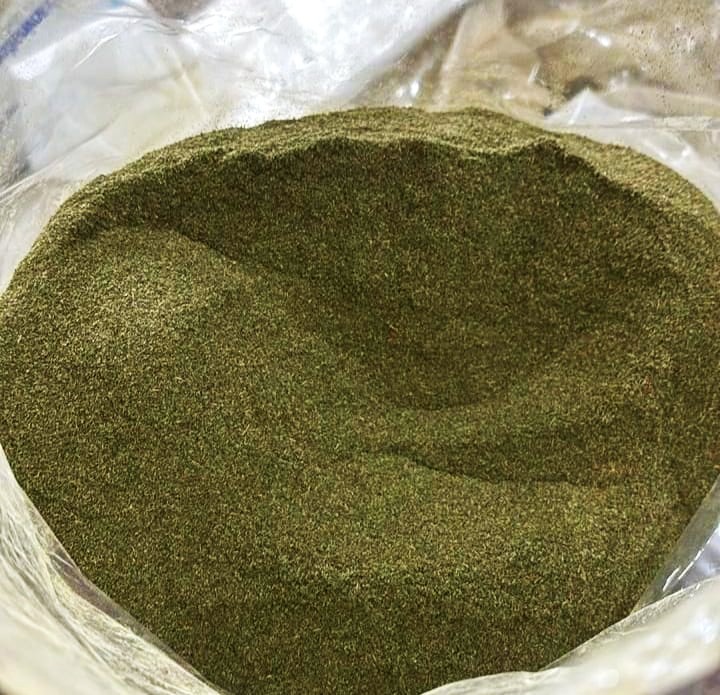
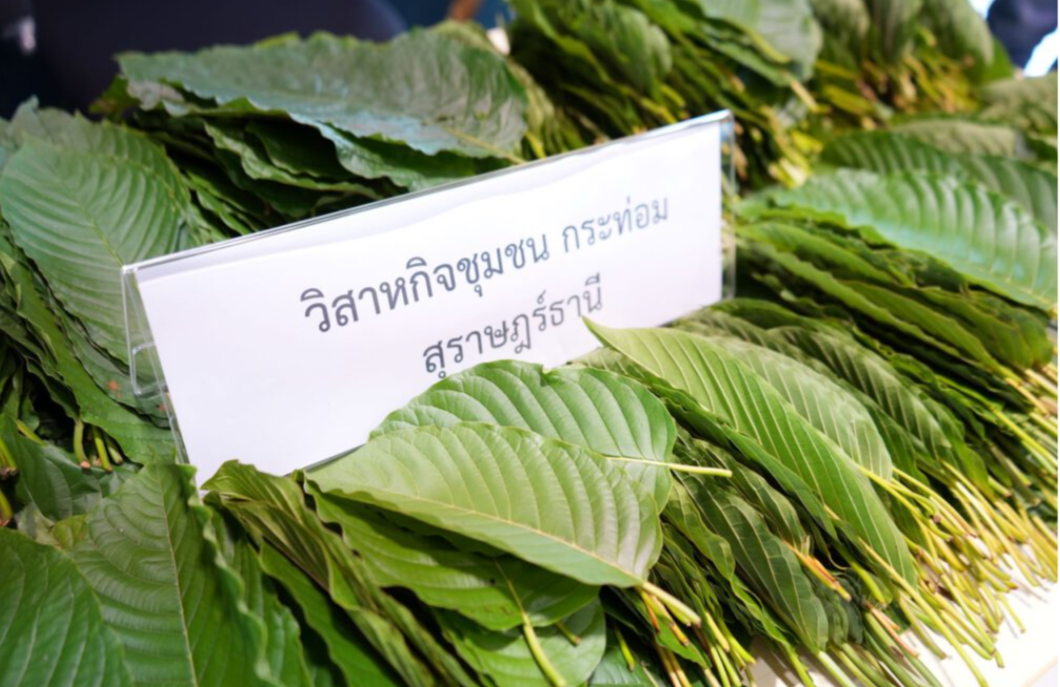
- Diversified market, spanning raw leaves, teas, processed supplements, and online platforms.
- Strong rural economic impact, especially benefiting small farmers and entrepreneurs.
- Modernization push, tapping research and export potential to elevate the market’s quality and reach.
- Strict retail safeguards, including age limits, location restrictions, and labeling rules.
Summary Table
| Category | Overview |
|---|---|
| Legal Status | Fully decriminalized; regulated under Kratom Plant Act (2022) |
| Licensing | Required for import/export; traveler exemptions exist |
| Usage Restrictions | Not sold to minors/pregnant/breastfeeding; banned in sensitive locations |
| Processing Guidelines | FDA imposes mitragynine limits and GMP standards |
| Market Landscape | Widespread availability; rural economic benefits; research-heavy initiatives |
| Potential Risks | Youth exposure, misuse in vending, unregulated mixes addressed by law |
Private Sector Collaboration & Farmer Support
Oceania Trading and Distribution Co. Ltd. promotes fair pricing, legal cultivation practices, and comprehensive support for Thai kratom farmers covering cultivation methods, regulations, and export readiness. If you are curious about export procedures, specific product regulations and consumption trends, contact us.
Final Thoughts
Thailand’s kratom market has evolved rapidly into a well-structured, economically vibrant industry, balancing traditional use with modern oversight. With continued government support—through policy, research, and quality control—the market looks set for sustainable growth both domestically and internationally.